
Production Deployment & Ongoing Support – Keeping Franchise Technology Systems Reliable and Scalable
Developing and testing a software application are important achievements, but the process does not end when the application is ready. The software must be introduced into a live production environment, configured correctly, and made accessible to its intended users.
For franchise businesses, this stage requires careful planning because multiple locations may depend on the same technology infrastructure for their daily operations. A poorly managed deployment can result in service interruptions, missing information, login difficulties, or disruptions to customer-facing services.
Even after a successful launch, technology systems require regular monitoring, maintenance, security updates, and improvements to remain reliable.
This is why Production Deployment & Ongoing Support is the final and continuing stage of a structured franchise technology implementation process.



What Is Production Deployment?
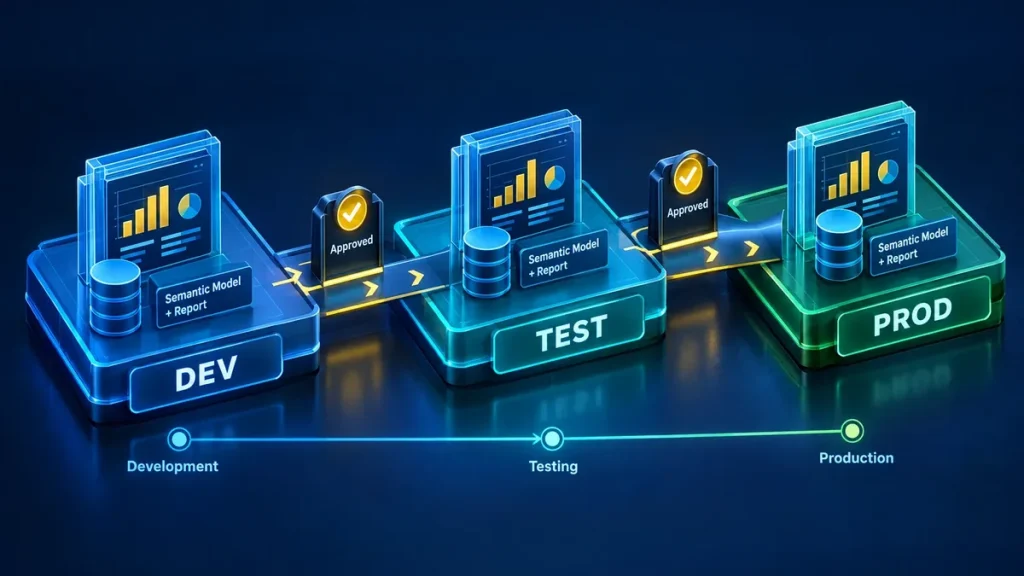
Production deployment refers to the process of moving a completed and tested software application from its development or testing environment into a live environment where actual users can access it.
For example, a franchise management platform may initially be developed and tested on internal servers. Once it passes the required validation checks, it can be deployed to production infrastructure so that franchise owners, employees, administrators, and customers can begin using it.
Deployment involves more than uploading application files. It includes configuring servers, databases, security settings, application services, integrations, and access permissions.
The objective is to make the system available in a controlled and reliable manner.
Why Is Proper Deployment Important for Franchise Businesses?
Franchise networks often rely on centralized technology platforms to coordinate activities across multiple branches.
These platforms may handle customer orders, sales reporting, inventory records, employee information, and financial transactions.
A successful deployment helps ensure that all required components work together in the live environment.
Here are some important benefits of a structured deployment process.

1. Smooth Transition to Live Operations
A planned deployment helps businesses move from development to actual usage without unnecessary disruption.
Before launch, the technical team verifies the production environment, database configurations, application settings, and required integrations.
For businesses migrating from an older system, deployment planning may also include data migration and validation.

2. Reliable Access Across Multiple Locations
A centralized franchise platform should provide appropriate access to authorized users across different branches.
Production configuration must consider server capacity, network requirements, database connectivity, and user authentication.
These factors help ensure that employees and management teams can access the system as intended.

3. Protection of Business Information
Production environments handle real business information, making security an important consideration.
Deployment activities may include enabling HTTPS, configuring access permissions, securing database connections, setting up backups, and reviewing authentication settings.
These measures help protect information and reduce exposure to common security risks.

4. Reduced Deployment Risks
A deployment plan establishes the sequence of activities required to release an application.
It may include staging environment validation, backup preparation, release approvals, deployment execution, and post-launch verification.
For larger projects, a phased rollout can allow selected locations to begin using the platform before it is introduced across the entire franchise network.
Key Steps Involved in Production Deployment
A structured deployment process generally includes the following activities.

1. Production Environment Preparation
The first step is preparing the infrastructure required to run the application.
This may involve configuring cloud servers, databases, storage resources, networking, security settings, and application services.
The production environment should be configured according to the application's expected workload and operational requirements.

2. Final Testing and Deployment Readiness
Before release, the development team verifies that important features are working correctly in an environment that closely resembles production.
Configuration settings, database connectivity, third-party integrations, and application permissions are reviewed.
This helps reduce the possibility of unexpected problems during launch.

3. Database Migration and Backup
If the business is replacing an existing platform, important information may need to be transferred into the new system.
This can include customer records, employee details, inventory information, and transaction history.
A migration plan should include data validation and appropriate backups to reduce the risk of information loss.

4. Application Release
Once the environment is ready, the application is deployed to production servers.
Depending on the system architecture, this may involve publishing web applications, deploying backend services, configuring APIs, and releasing mobile application updates through the appropriate distribution channels.

5. Post-Deployment Verification
After deployment, the technical team checks whether the application is functioning correctly in the live environment.
Important workflows such as login, order processing, database updates, reporting, and external integrations are verified.
Monitoring tools can also help identify errors, unusual activity, and performance issues after launch.
Why Is Ongoing Technical Support Necessary?
Software is not a one-time investment that can operate indefinitely without attention. Business requirements change, technologies evolve, and new security vulnerabilities may emerge.
Ongoing support helps keep franchise technology systems operational and aligned with changing business needs.
Some important maintenance activities include:
- System Monitoring: Monitoring application availability, server performance, database activity, and system errors helps identify potential issues.
- Security Updates: Regular software updates and security patches help address known vulnerabilities and maintain system protection.
- Performance Optimization: Database optimization, server resource adjustments, and application improvements can help maintain efficient performance as business activity increases.
- Bug Fixing: Technical issues discovered after launch can be investigated and corrected through maintenance releases.
- Feature Enhancements: New reporting options, additional management tools, improved dashboards, and updated customer features can be introduced as business requirements evolve.
- Backup and Recovery Planning: Regular backups and recovery procedures help businesses prepare for unexpected technical failures or data-related incidents.

Supporting Franchise Growth Through Scalable Technology

Adapting to Business Expansion
A franchise management system should be capable of adapting as a business expands.

Infrastructure Capacity
For example, a company that initially operates ten branches may eventually grow to fifty or more locations. As the network expands, the system may need additional computing resources, database capacity, user accounts, and integrations.

Ongoing Infrastructure Management
Ongoing infrastructure management helps businesses evaluate these changing requirements and make necessary improvements.

Flexible Technology
Cloud-based infrastructure, centralized databases, and modular applications can provide flexibility when supporting future expansion.

Capacity Planning and Reviews
However, scalability also depends on proper capacity planning, performance monitoring, and regular architectural reviews.
How Ansun Internationals Supports Deployment and Maintenance
At Ansun Internationals, we approach production deployment as an important part of the complete franchise technology development lifecycle.
Our methodology includes the transition of tested applications into live production environments, followed by technical monitoring, maintenance, and feature enhancements.
We focus on supporting the technology components that modern franchise networks may require, including centralized cloud infrastructure, database systems, customer-facing mobile applications, responsive web platforms, and secure management portals.
Our objective is to help businesses establish a dependable technology environment that supports daily operations and future development.

Conclusion
Production Deployment & Ongoing Support ensures that a completed software solution can operate effectively in a real business environment. A structured deployment process helps reduce launch risks, while continuous monitoring and maintenance support long-term system reliability.
For franchise businesses, technology infrastructure must evolve alongside the organization. Regular updates, performance improvements, security maintenance, and feature enhancements help keep digital systems aligned with changing operational requirements.
A successful software project is not simply about launching an application. It is about building and maintaining a reliable technology solution that continues to support business operations.
Ready to strengthen your franchise technology infrastructure?
Contact Ansun Internationals to discuss customized software development, deployment, and ongoing technology management solutions.